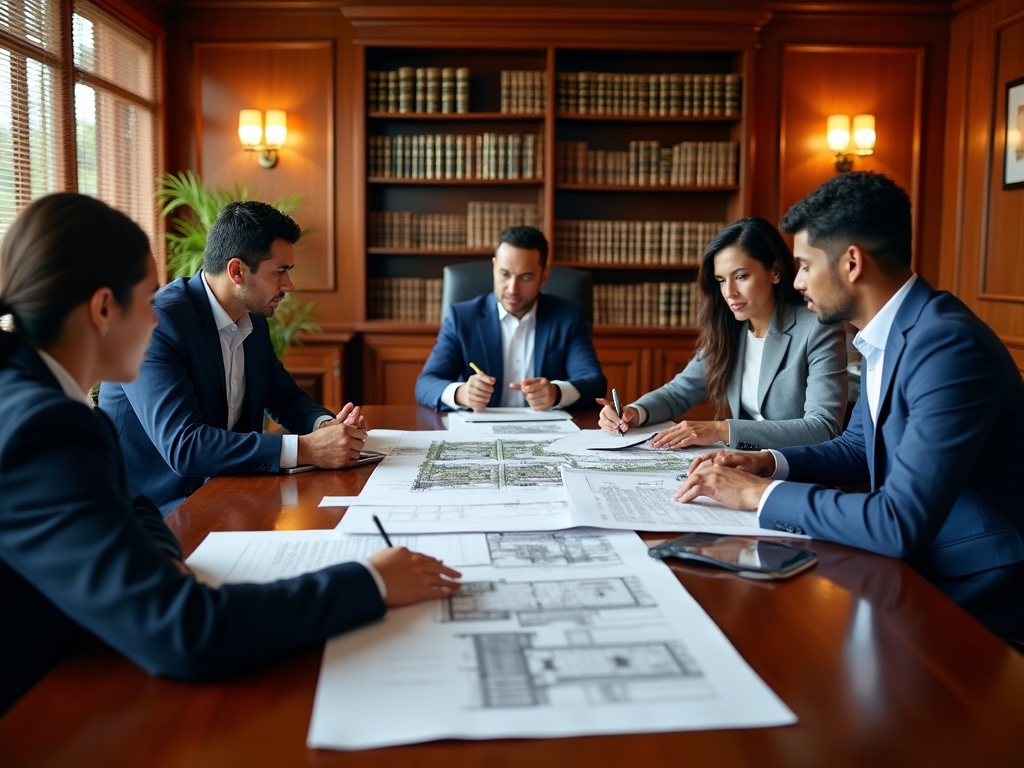
Discover how real estate projects in Guatemala come to life, from the first stone to the final handover. An educational journey connecting people with a common goal: understanding real construction.
At Reliable Construction, we believe that knowledge transforms the building experience. We are not just an informational portal; we are your companion on the journey to understanding how architectural dreams materialize in Guatemala.
Every construction project tells a unique story. From the moment an architect draws the first line on a blueprint to when a family crosses the threshold of their new home, there exists a fascinating process that deserves to be understood and appreciated in all its complexity.
Our mission is to demystify the construction process, transparently and in detail showing each phase of real estate development. We want you to understand not only the what, but the why and how behind every construction decision.
A complete journey through each phase that transforms empty land into a home full of life
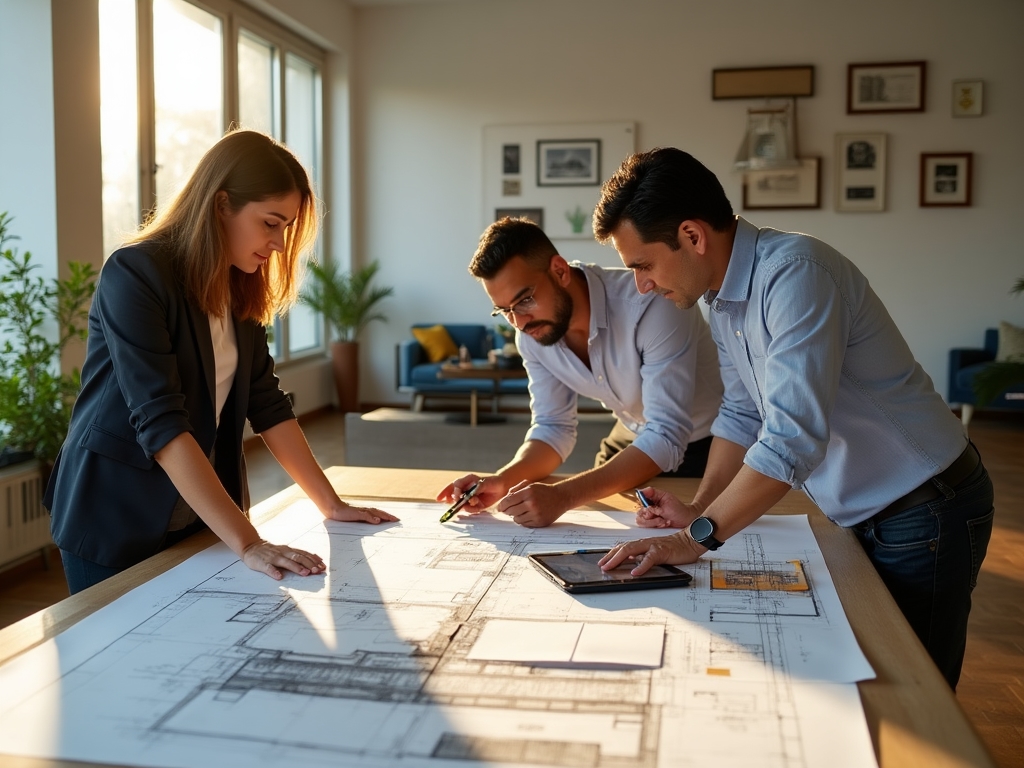
The journey begins with a vision. This initial stage is where dreams meet technical reality. Architects work closely with owners to understand their needs, desires, and budget constraints.
During this phase, site feasibility studies, topographic analyses, and geotechnical evaluations are conducted. Designers consider aspects such as solar orientation, natural ventilation, and how the building will interact with its surroundings. Every line drawn has both functional and aesthetic purpose.
Detailed architectural plans are complemented with technical specifications, preliminary budgets, and construction schedules. This stage also includes obtaining necessary permits and licenses to ensure compliance with all local regulations.
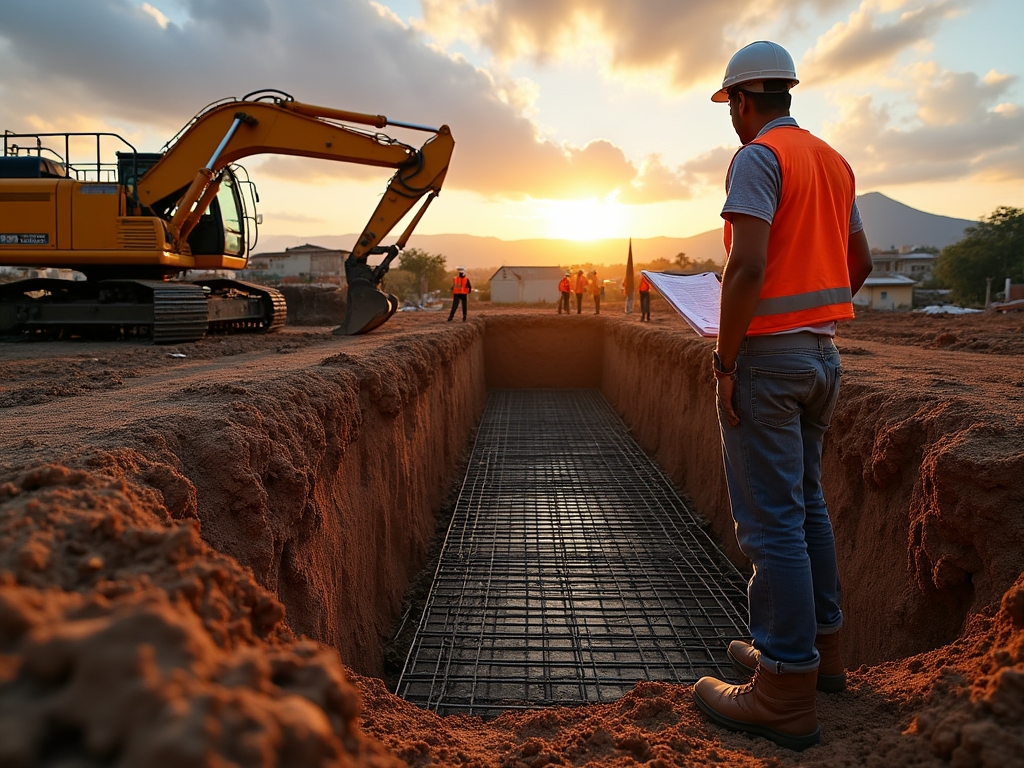
With approved designs, physical construction begins with site preparation. This stage involves clearing the land of vegetation, leveling the ground, and establishing exact construction boundaries through stakes and topographic references.
Construction teams carry out excavations for foundations, considering the necessary depth according to soil type and planned structure weight. On sloped terrain, cuts and fills may be made to create a stable construction platform.
Temporary utility connections such as water and electricity needed during construction are also installed. Proper site preparation is fundamental to preventing future structural problems and ensuring building longevity.
The foundation is literally the base upon which the entire project rests. Depending on design and soil conditions, footings, foundation beams, or slabs are constructed. Concrete is poured with precision, ensuring that reinforcing steel is correctly positioned.
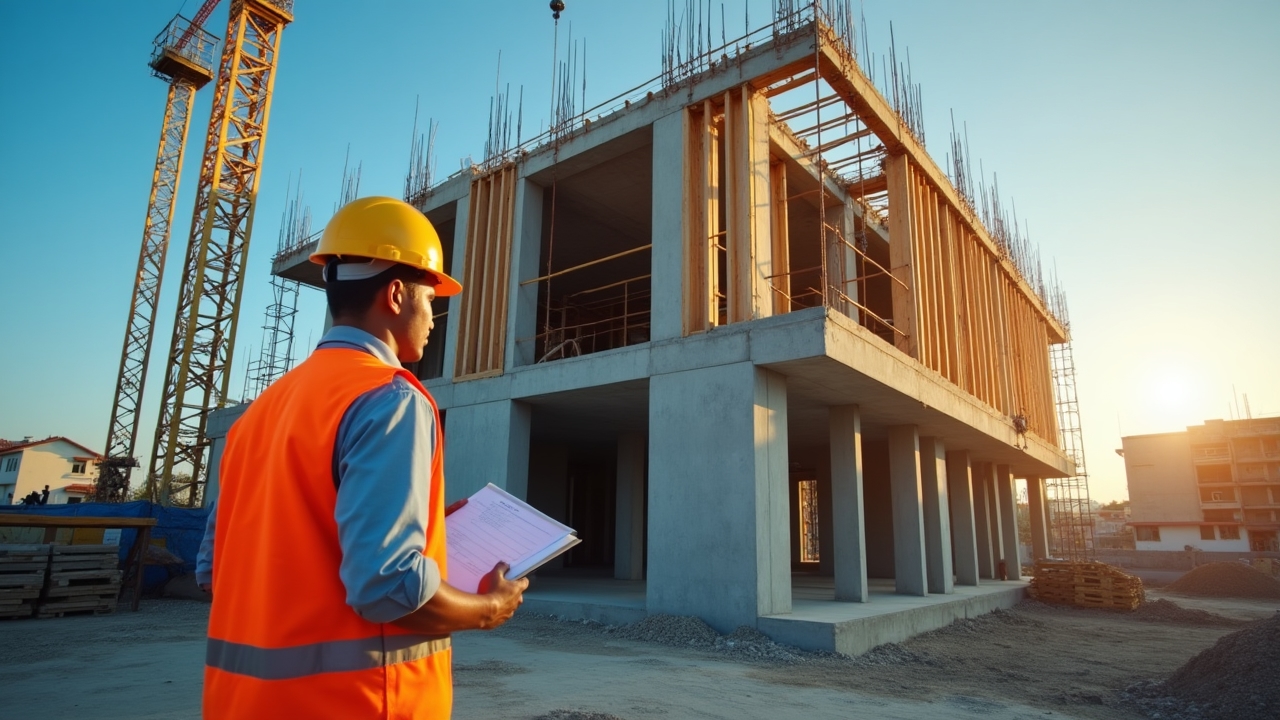
Once the foundation has cured, the building structure rises. Whether with concrete blocks, steel structure, or mixed construction systems, each element is placed strictly following structural plans. Columns, beams, and slabs form the building skeleton.
During this phase, engineers constantly supervise the process to ensure the structure can support anticipated loads. Concrete strength tests are performed and all structural connections are verified to meet established safety standards.
With the main structure complete, installation of systems that will bring the building to life begins. Electricians install wiring, junction boxes, and lighting points. Plumbers place potable water and drainage pipes, ensuring efficient flow without leaks.
Simultaneously, internal dividing walls are erected and windows and doors are installed. External enclosures are completed, protecting the interior from the elements. At this stage, the building begins to take its final form and becomes recognizable as the original design.
Climate control systems are also installed, if included in the project. Each installation is meticulously tested to ensure proper functioning and compliance with local building codes.
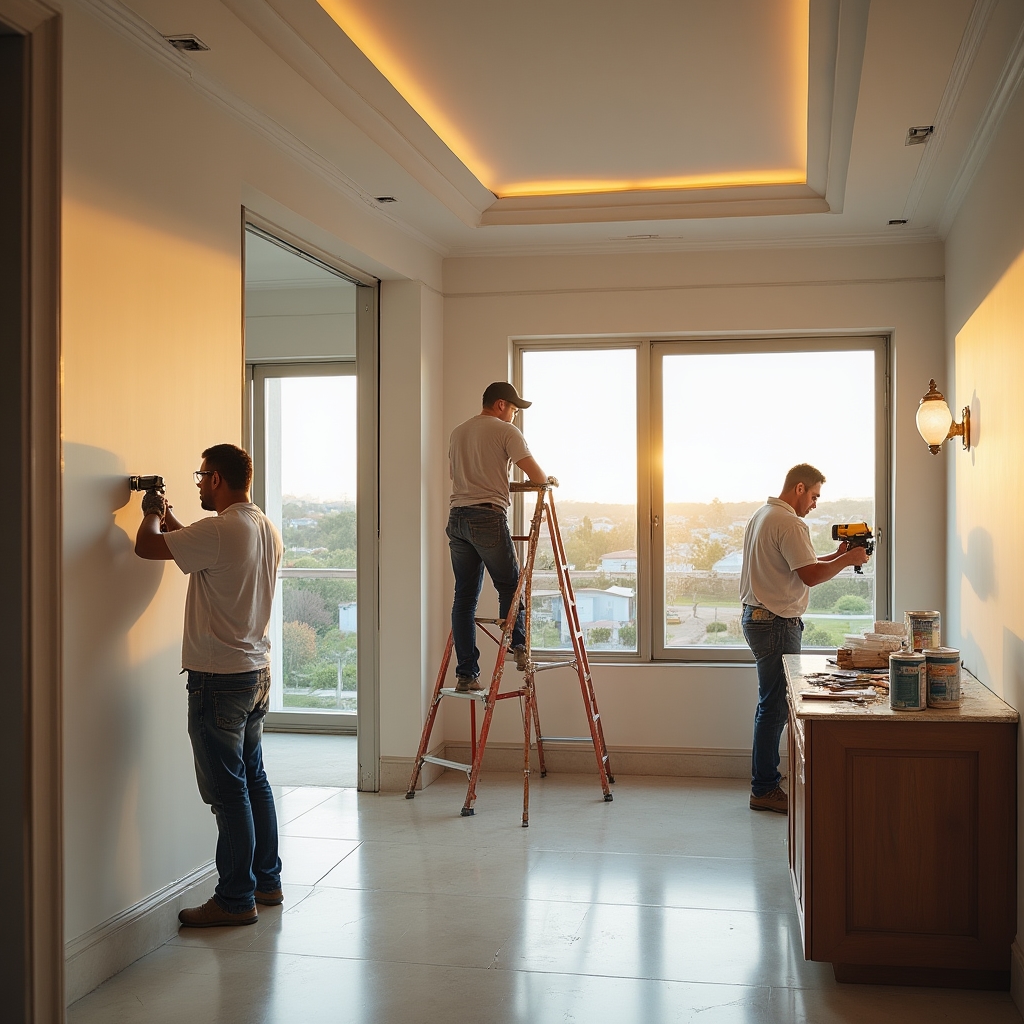
This phase transforms basic construction into a livable and aesthetically pleasing space. Floor finishes are applied, from ceramic to wood or specialized materials. Walls receive their final treatment, whether paint, texture, or decorative coverings.
Carpenters install kitchen cabinets, closets, and any built-in furniture. Toilets, sinks, and bathroom fixtures are carefully placed. Decorative lighting is installed, and all switches and outlets are connected.
Details make the difference: moldings, baseboards, cornices, and decorative elements that add personality to the space. Each finish is selected not only for appearance but also for durability and ease of long-term maintenance.
Before final handover, an exhaustive inspection of the complete project is conducted. Inspectors verify that everything complies with approved plans and building codes. All systems are tested: electrical, plumbing, ventilation, and any other technical component.
A detailed checklist is created that goes through room by room. Any minor defects are corrected immediately. The quality of finishes, the operation of doors and windows, and the correct installation of all fixtures are verified.
Once the inspection is complete and all observations are resolved, official handover takes place. Owners receive the keys, complete project documentation, material and system warranties, and maintenance manuals. The project officially transitions from being a construction to becoming a home.
We have compiled the most common questions about the construction process
Construction time varies significantly depending on project size and complexity. A typical medium-sized residential house can take between 8 and 12 months from construction start to final delivery.
However, this timeframe may extend if there are delays in obtaining permits, adverse weather conditions during rainy season, or design changes during construction. Larger projects or those with luxury finishes may require 15 to 18 months.
It is important to remember that planning and design time before physical construction can add several additional months to the overall project timeline.
In Guatemala, the permit process involves several government entities. You will need a construction license issued by the corresponding municipality, which requires submission of architectural and structural plans approved by a licensed engineer.
Approval from the Municipal Development Institute is also necessary for certain types of projects, and compliance with environmental regulations if the project is in protected areas or near water bodies.
Additionally, depending on location, you may need urban development approvals, environmental impact studies, and permits for connection to public services such as water, electricity, and drainage.
The most used construction materials include concrete blocks for walls, offering good resistance and availability. Steel-reinforced concrete is widely used for foundations, columns, beams, and slabs.
For roofs, zinc sheets, clay or concrete tiles are popular, and increasingly, green roof systems. Interior finishes commonly include ceramic floor tiles, acrylic paint for walls, and aluminum or PVC for windows.
In rural areas, traditional materials such as adobe and wood are still used, while luxury construction incorporates imported materials like marble, granite, and innovative construction systems.
The construction budget is calculated considering multiple factors. First, the cost per square meter varies according to construction type: economical, standard, or luxury. This cost includes materials, labor, and general expenses.
Land cost must be included if not yet owned, professional fees for architects and engineers, permits and licenses, and a 10-15% contingency margin for unforeseen issues that inevitably arise during construction.
Indirect costs are also considered such as construction insurance, financing if a loan is required, public service connections, and landscaping or exterior work. A detailed budget is always more reliable than general estimates.
Guatemala is located in a zone of high seismic activity, so earthquake-resistant design is crucial. Structures must include elements such as adequately dimensioned confinement columns and beams with steel reinforcement according to seismic codes.
Walls must be properly braced and correctly connected to the concrete structure. Foundations must be deep and solid, and all structural elements must be integrated into a system that can dissipate seismic energy.
It is mandatory that structural designs be prepared and supervised by licensed civil engineers with experience in earthquake-resistant design. Material quality and correct construction execution are fundamental to ensuring safety during seismic events.
The Guatemalan climate, with its marked rainy season from May to October, has a significant impact on construction schedules. Rains can delay excavation work, concrete pouring, and exterior finishes.
During the rainy season, it is crucial to protect materials stored on site and plan concrete pours for dry days. Activities that can continue regardless of weather include interior work, electrical and plumbing installations once the structure is roofed.
Experienced builders adjust their schedules to perform most structural and exterior work during the dry season, reserving interior finishes for rainy months. This strategic planning helps minimize weather-related delays.
Have questions about construction? We would love to hear from you
81 Albert St, Belize City